Author: Lynn Morre

  • Protect Your Home with Trusted Roof Repair in Chicago

    Protect Your Home with Trusted Roof Repair in Chicago

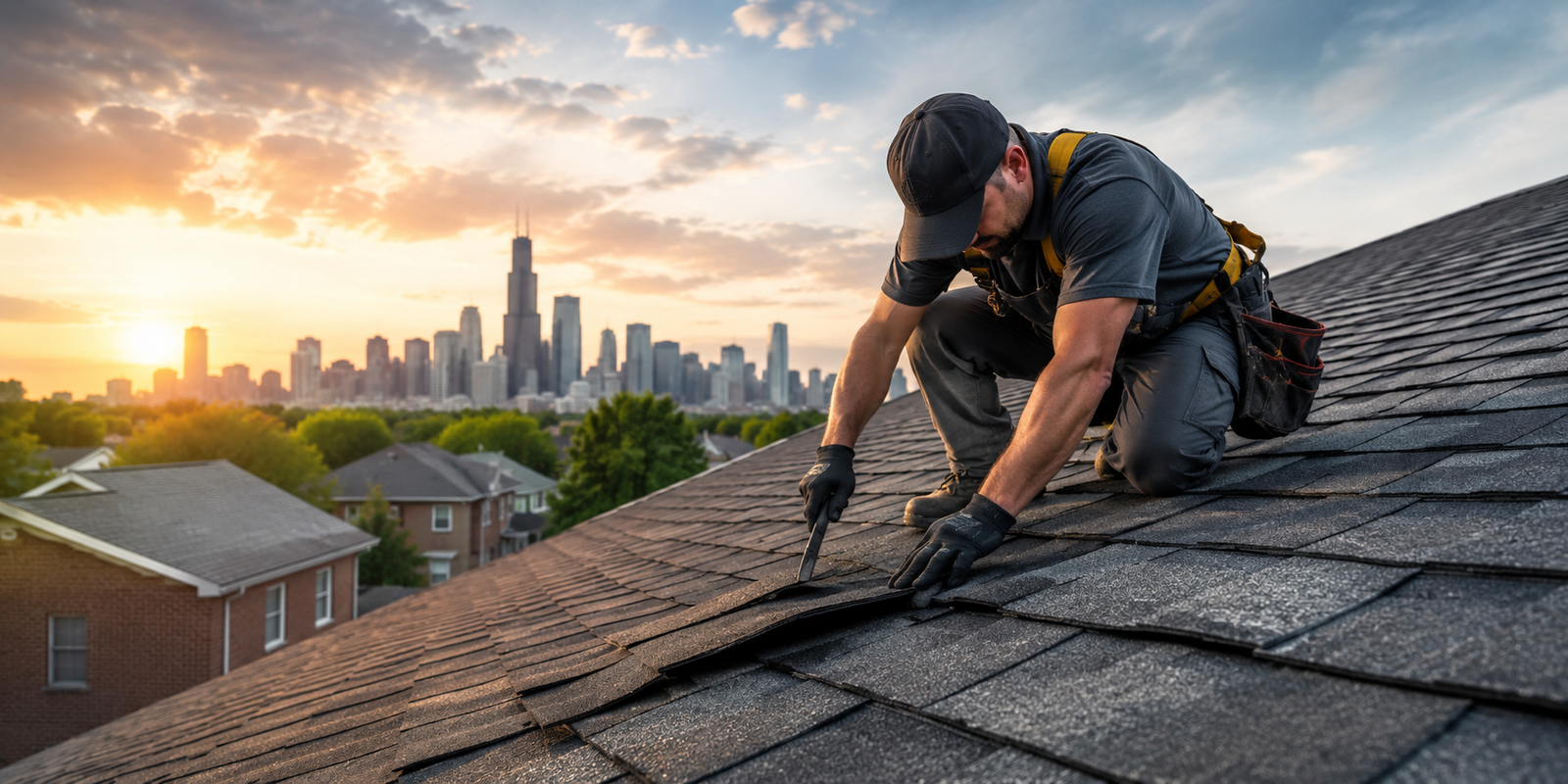
    Your roof is one of the most important parts of your home, protecting your family, belongings, and property from harsh weather conditions year-round. Over time, even the strongest roofing systems can develop issues due to aging materials, storm damage, leaks, or regular wear and tear. That’s why professional roof repair in Chicago is essential for maintaining the safety and value of your home.

    Whether you are dealing with missing shingles, water leaks, storm damage, or general roof deterioration, trusted residential roofing inspections and repair services can help identify problems early and prevent costly damage in the future.

    Why Residential Roof Inspections Matter

    Many homeowners do not realize there is a roofing issue until visible damage appears inside the home. Regular roof inspections allow roofing professionals to identify small issues before they become major structural problems.

    A professional roofing inspection can detect:

    • Damaged or missing shingles
    • Roof leaks and water damage
    • Flashing issues
    • Mold or moisture buildup
    • Storm and hail damage
    • Sagging roof sections
    • Ventilation problems

    Scheduling regular inspections helps extend the lifespan of your roof while protecting your home from unexpected repair costs.

    Common Roof Problems in Chicago Homes

    Chicago weather can be extremely demanding on residential roofing systems. Heavy snow, ice buildup, rainstorms, strong winds, and fluctuating temperatures can all contribute to roofing damage.

    Roof Leaks

    Roof leaks are one of the most common issues homeowners face. Even a small leak can lead to serious water damage, mold growth, and insulation problems if not repaired quickly.

    Signs of a roof leak include:

    • Water stains on ceilings
    • Damp attic insulation
    • Peeling paint
    • Mold growth
    • Dripping water during storms

    Professional roof repair in Chicago can quickly identify the source of the leak and prevent further damage.

    Missing or Damaged Shingles

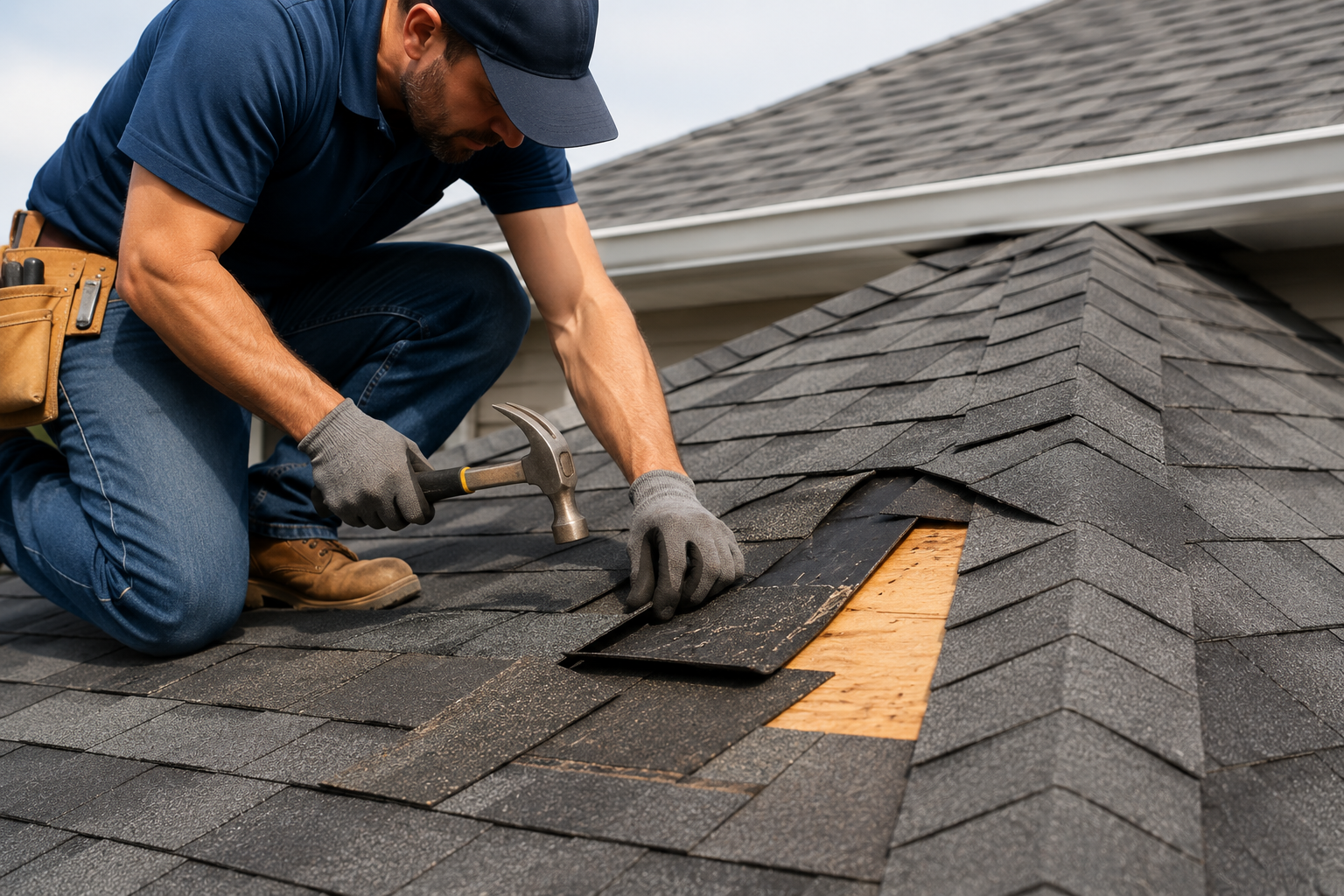
    Strong winds and storms can loosen or remove shingles, exposing the roof to moisture and structural deterioration. Cracked, curled, or broken shingles should be replaced promptly to maintain roof integrity.

    Storm and Hail Damage

    Chicago storms can cause significant roofing damage, especially during severe weather seasons. Hail impacts may weaken shingles and create hidden damage that worsens over time.

    After major storms, homeowners should schedule a professional roofing inspection to assess potential issues before they escalate.

    Benefits of Professional Roof Repair in Chicago

    Hiring experienced roofing professionals ensures repairs are completed safely and correctly.

    Protect Your Home’s Structure

    Roof damage can eventually impact walls, ceilings, insulation, and even your home’s foundation if left untreated.

    Increase Roof Lifespan

    Routine maintenance and timely repairs can add years to the life of your roofing system, reducing the need for premature replacement.

    Improve Energy Efficiency

    A damaged roof can allow air leaks and poor insulation, increasing heating and cooling costs. Proper repairs help improve overall energy efficiency.

    Maintain Property Value

    A well-maintained roof improves curb appeal and protects your property value, especially if you plan to sell your home in the future.

    What Happens During a Roofing Inspection?

    A professional residential roofing inspection typically includes a detailed assessment of the roof’s overall condition.

    Roofing experts may inspect:

    • Shingles and roofing materials
    • Flashing around chimneys and vents
    • Gutters and drainage systems
    • Roof ventilation
    • Attic moisture levels
    • Structural integrity

    After the inspection, homeowners receive recommendations for repairs, maintenance, or replacement if necessary.

    Signs You Need Roof Repair Immediately

    Some roofing issues require immediate attention to avoid major structural damage.

    Contact a roofing professional if you notice:

    • Active roof leaks
    • Missing shingles after a storm
    • Sagging roof sections
    • Mold or mildew growth
    • Excessive granules in gutters
    • Rising energy bills
    • Visible water damage indoors

    Quick action can help minimize repair costs and prevent further problems.

    Choosing a Trusted Roof Repair Company in Chicago

    Finding the right roofing contractor is essential for quality workmanship and long-lasting results.

    When choosing a roofing company, look for:

    • Licensed and insured contractors
    • Local roofing experience
    • Positive customer reviews
    • Emergency repair services
    • Warranty options
    • Transparent pricing

    A reputable roofing contractor will provide honest recommendations, detailed inspections, and reliable repair solutions tailored to your home’s needs.

    Preventative Roof Maintenance Tips

    Homeowners can reduce roofing problems by following a few simple maintenance practices.

    Keep Gutters Clean

    Clogged gutters can cause water to back up onto the roof, increasing the risk of leaks and water damage.

    Trim Overhanging Branches

    Tree branches can damage shingles and increase debris buildup on the roof surface.

    Schedule Annual Inspections

    Professional inspections at least once a year help identify hidden problems early.

    Address Minor Repairs Quickly

    Ignoring small roofing issues often leads to larger and more expensive repairs later.

    Final Thoughts

    Your roof plays a critical role in protecting your home and family. Investing in professional residential roofing inspections and roof repair in Chicago helps ensure your roofing system remains strong, secure, and weather-resistant throughout the year.

    From minor leaks to major storm damage, timely roofing repairs can prevent costly structural issues and extend the life of your roof. By working with trusted roofing professionals, homeowners can enjoy peace of mind knowing their property is protected by quality craftsmanship and reliable service.

    If you suspect roofing damage or simply want to maintain your roof’s condition, scheduling a professional inspection is one of the smartest investments you can make for your home.

    FAQs About Residential Roof Repair in Chicago

    1. How often should I schedule a roof inspection?

    Homeowners should schedule a professional roof inspection at least once a year and after major storms to identify any hidden damage early.

    2. What are the common signs that my roof needs repair?

    Common warning signs include roof leaks, missing shingles, sagging areas, water stains on ceilings, mold growth, and damaged flashing.

    3. How much does roof repair in Chicago typically cost?

    Roof repair costs in Chicago can vary depending on the extent of damage, roofing materials, and labor. Minor repairs may cost a few hundred dollars, while larger repairs can cost significantly more.

    4. Can storm damage affect my roof even if I don’t see visible issues?

    Yes, hail and strong winds can cause hidden roof damage that may worsen over time. A professional inspection can help identify problems before they become serious.

    5. How long does a residential roof repair usually take?

    Most minor roof repairs can be completed within a few hours to one day, while larger projects may take several days depending on the complexity.

    6. Is it better to repair or replace a damaged roof?

    If the damage is minor and localized, repairs are usually sufficient. However, older roofs with widespread damage may require full replacement for long-term protection.

    7. Why is professional roof repair important?

    Professional roofing contractors have the experience, equipment, and safety training needed to perform repairs correctly and prevent future issues.

    8. What types of roofing materials can be repaired?

    Most roofing materials can be repaired, including asphalt shingles, metal roofing, tile roofs, and flat roofing systems.
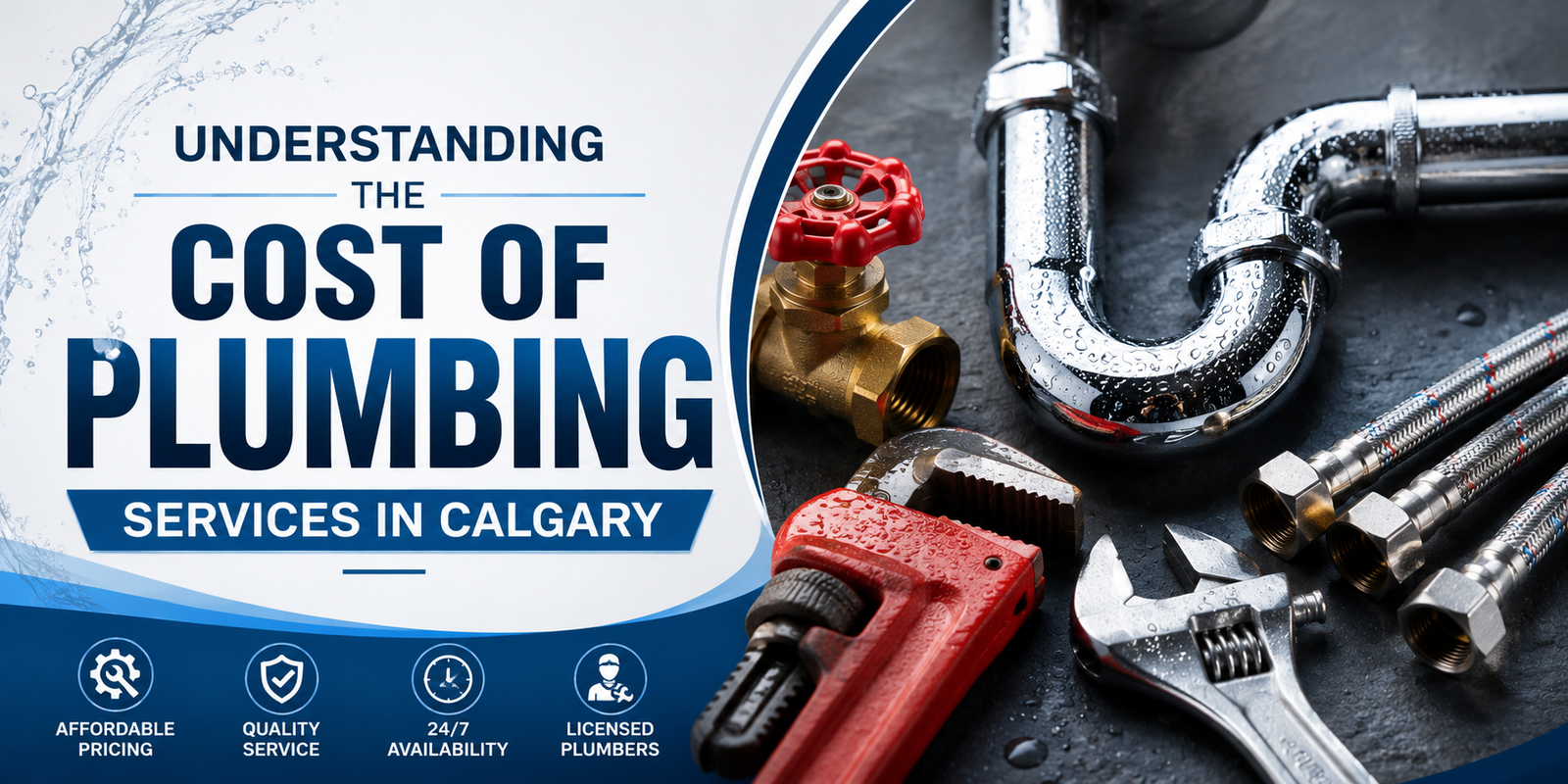

  • Understanding the Cost of Plumbing Services in Calgary

    Understanding the Cost of Plumbing Services in Calgary

    Plumbing problems can happen at any time, from a leaking faucet to a burst pipe or a complete water heater replacement. For homeowners and businesses in Calgary, understanding plumbing costs can help avoid unexpected expenses and ensure you hire the right professional for the job.

    Whether you need emergency repairs, routine maintenance, or a full plumbing installation, knowing what affects pricing can help you make informed decisions and budget effectively.

    What Influences Plumbing Costs in Calgary?

    Plumbing costs can vary depending on several important factors. While some jobs are simple and affordable, others may require specialized tools, emergency service, or extensive labor.

    1. Type of Plumbing Service

    The nature of the plumbing issue is one of the biggest factors affecting cost.

    Common plumbing services include:

    • Drain cleaning
    • Faucet repairs
    • Pipe replacement
    • Toilet installation
    • Water heater repairs
    • Sewer line inspections
    • Emergency plumbing services

    Minor repairs generally cost less, while major plumbing work involving excavation or system replacement will naturally be more expensive.

    Average Plumbing Costs in Calgary

    Although prices can vary by company and project complexity, here are some common plumbing service estimates in Calgary.

    Basic Plumbing Repairs

    Simple plumbing jobs such as fixing leaks, unclogging drains, or repairing faucets usually range between $100 and $300.

    These services often include:

    • Faucet repair
    • Toilet repair
    • Minor pipe leaks
    • Drain unclogging

    Water Heater Installation

    Installing or replacing a water heater can cost anywhere from $1,000 to $3,500 depending on the type of system.

    Factors affecting pricing include:

    • Tank vs tankless systems
    • Energy efficiency
    • Installation complexity
    • Ventilation requirements

    Tankless water heaters may cost more upfront but can provide long-term energy savings.

    Pipe Repair and Replacement

    Pipe replacement costs depend on the pipe material, accessibility, and extent of damage.

    Typical costs may range from:

    • Small pipe repair: $150–$500
    • Partial pipe replacement: $1,000–$5,000
    • Full home repiping: $5,000–$15,000+

    Older homes in Calgary may require more extensive plumbing upgrades due to aging infrastructure.

    Emergency Plumbing Services

    Emergency plumbing calls are usually more expensive because they involve urgent response times, after-hours labor, or weekend service.

    Emergency plumbing costs may range from:

    • $150–$500 for minor emergencies
    • Higher for major water damage or sewer backups

    Many Calgary plumbers charge additional fees for late-night or holiday service calls.

    Why Plumbing Costs Can Be Higher in Calgary

    Several regional factors can affect plumbing pricing in Calgary specifically.

    Weather Conditions

    Calgary’s cold winters can lead to frozen or burst pipes, increasing emergency plumbing demand during colder months.

    Frozen pipes often require immediate repairs and specialized equipment, which can raise service costs.

    Local Building Codes

    Professional plumbers must follow Calgary building regulations and permit requirements. Proper compliance helps ensure safety and long-term reliability but may also impact overall project pricing.

    Skilled Labor Costs

    Licensed plumbers undergo extensive training and certification. Hiring experienced professionals ensures quality workmanship, especially for complex installations and repairs.

    Tips to Save Money on Plumbing Services

    While plumbing repairs are sometimes unavoidable, there are ways homeowners can reduce costs.

    Schedule Regular Maintenance

    Routine inspections can help identify small issues before they become expensive emergencies.

    Preventive maintenance may include:

    • Drain cleaning
    • Leak inspections
    • Water pressure checks
    • Water heater servicing

    Avoid DIY Mistakes

    While DIY fixes may seem cheaper initially, improper repairs can often lead to bigger problems later. Hiring a professional for complex plumbing issues can save money in the long run.

    Compare Multiple Quotes

    Before hiring a plumber, it’s a good idea to compare estimates from multiple Calgary plumbing companies.

    Look for:

    • Transparent pricing
    • Warranty coverage
    • Customer reviews
    • Licensing and insurance

    The cheapest option is not always the best when it comes to plumbing quality and reliability.

    When Should You Call a Professional Plumber?

    Some plumbing issues should never be ignored. Contact a licensed plumber immediately if you notice:

    • Burst pipes
    • Sewage backups
    • No hot water
    • Major leaks
    • Low water pressure
    • Persistent drain clogs
    • Water damage signs

    Early intervention can help prevent costly structural damage and mold growth.

    Choosing the Right Plumbing Company in Calgary

    Finding a trustworthy plumbing company is essential for getting quality service and fair pricing.

    When selecting a plumber, consider:

    • Years of experience
    • Emergency availability
    • Online reviews
    • Warranty options
    • Licensing and certifications

    Reliable plumbing companies will provide detailed estimates and explain repair options clearly before starting work.

    Final Thoughts

    Plumbing costs in Calgary can vary widely depending on the type of repair, urgency, and complexity of the project. From simple faucet repairs to major pipe replacements, understanding average pricing can help homeowners prepare financially and avoid surprises.

    Investing in professional plumbing services ensures your home’s plumbing system remains safe, efficient, and reliable year-round. Regular maintenance, prompt repairs, and choosing experienced Calgary plumbers can ultimately save money and prevent larger issues in the future.

    Whether you need emergency assistance or routine plumbing maintenance, working with qualified professionals is always the best long-term investment for your property.

    FAQs About Plumbing Costs in Calgary

    1. How much does a plumber cost in Calgary?

    The cost of hiring a plumber in Calgary typically ranges from $100 to $300 for minor repairs. Larger projects such as pipe replacement or water heater installation can cost significantly more depending on the complexity of the work.

    2. Why are emergency plumbing services more expensive?

    Emergency plumbing services often involve after-hours, weekend, or holiday callouts. Immediate response times and urgent repairs usually result in higher labor costs.

    3. What factors affect plumbing costs in Calgary?

    Several factors influence plumbing pricing, including the type of repair, labor time, materials needed, emergency service requirements, and the age of the plumbing system.

    4. Is it cheaper to repair or replace plumbing pipes?

    Minor leaks can often be repaired affordably, but older or severely damaged pipes may require replacement. In some cases, replacing outdated pipes can save money on future repairs.

    5. How can homeowners reduce plumbing repair costs?

    Regular plumbing maintenance, fixing small leaks early, avoiding DIY mistakes, and scheduling inspections can help prevent expensive repairs in the future.

    6. Do Calgary plumbers provide free estimates?

    Many plumbing companies in Calgary offer free or low-cost estimates for common plumbing services. It’s always a good idea to request detailed pricing before work begins.

    7. How much does drain cleaning cost in Calgary?

    Professional drain cleaning services generally cost between $100 and $300 depending on the severity of the blockage and the equipment required.

    8. When should I call a professional plumber?

    You should contact a professional plumber if you experience burst pipes, sewage backups, major leaks, low water pressure, or recurring drain issues.

  • The Latest Tech Gadgets and Reviews in 2026

    The Latest Tech Gadgets and Reviews in 2026

    Technology in 2026 is evolving faster than ever, with AI-powered devices, foldable smartphones, smart wearables, and futuristic home gadgets leading the way. From advanced smart glasses to AI assistants and next-generation foldables, the latest gadgets are designed to make everyday life smarter, faster, and more connected.

    Whether you are a tech enthusiast, gamer, content creator, or someone who simply loves innovative devices, this year’s gadget lineup offers something exciting for everyone.

    AI Gadgets Are Becoming More Practical

    One of the biggest trends in 2026 is the rise of useful AI gadgets. Unlike earlier experimental devices, modern AI-powered products are now focused on real-world convenience and productivity.

    Devices like smart rings, AI assistants, and wearable gadgets are helping users monitor health, manage schedules, and interact with technology more naturally. According to recent reports, AI wearables are becoming the next major category in consumer electronics.

    Popular AI Gadgets in 2026

    • AI smart glasses with live translation
    • Smart rings for health tracking
    • AI-powered home robots
    • Voice-controlled wearable assistants
    • AI-enhanced fitness trackers

    Many users on Reddit also believe that AI wearables could become the next major shift after smartphones.

    Smart Glasses Are Finally Going Mainstream

    Smart glasses are no longer bulky or awkward. Modern designs look like regular eyewear while offering advanced features such as:

    • Real-time translation
    • Navigation support
    • Voice assistants
    • AI-powered object recognition
    • Hands-free communication

    The latest Even Realities G2 smart glasses are gaining attention for their lightweight design and privacy-focused features. They provide useful tools without looking overly futuristic.

    Tech experts believe smart glasses could become one of the most important wearable technologies of the next few years.

    Foldable Phones Continue to Improve

    Foldable smartphones have matured significantly in 2026. Earlier concerns around durability, hinge quality, and battery life have largely been addressed.

    Major brands are introducing thinner designs, better multitasking features, and stronger foldable displays. Samsung, Motorola, Honor, and Huawei are leading the competition in this category.

    Key Foldable Trends

    • Nearly invisible display creases
    • Larger multitasking screens
    • Better battery efficiency
    • Lightweight designs
    • AI-powered productivity features

    Industry experts also predict Apple may soon enter the foldable market with an “iPhone Ultra,” potentially making foldables more mainstream globally.

    The Rise of AI Wearables

    AI wearables are becoming smarter, smaller, and more useful. Smart rings and compact AI assistants are especially popular because they provide functionality without the bulk of traditional devices.

    Some of the most talked-about wearables include:

    • Samsung Galaxy Ring
    • Fitbit Sense 3
    • Humane AI Pin 2
    • Rabbit R2

    These devices focus on health tracking, productivity, reminders, voice commands, and AI-generated insights.

    Online communities are still debating whether AI wearables will replace smartphones or simply complement them.

    Gaming and Computing Gadgets Are Getting Smarter

    The latest gaming laptops, handheld consoles, and AI PCs showcased at Computex 2026 highlight the growing importance of AI computing.

    Some standout innovations include:

    • AI-powered gaming laptops
    • Portable gaming consoles
    • Advanced OLED displays
    • AI-enhanced graphics processing
    • Energy-efficient processors

    Nvidia, Intel, MSI, and Asus are pushing the boundaries of performance and AI integration.

    Smart Home Gadgets Continue to Evolve

    Smart home technology is also seeing major improvements in 2026. AI-powered home robots and connected devices are becoming more intelligent and practical.

    New gadgets can now:

    • Monitor pets remotely
    • Help elderly family members
    • Control smart home systems
    • Provide security monitoring
    • Manage daily routines using AI

    CES 2026 showcased several smart appliances and home automation products designed to simplify everyday life.

    Are AI Gadgets Worth Buying?

    The latest generation of tech gadgets is far more polished than previous years. Instead of gimmicky concepts, companies are focusing on devices that genuinely improve productivity, communication, entertainment, and health tracking.

    However, buyers should still consider:

    • Battery life
    • Privacy concerns
    • Software support
    • Real-world usefulness
    • Ecosystem compatibility

    While not every AI gadget will succeed, many industry analysts believe wearable AI devices and smart assistants represent the future of personal technology.

    Final Thoughts

    The tech industry in 2026 is centered around smarter, more connected experiences. AI wearables, foldable smartphones, smart glasses, and intelligent home devices are transforming how people interact with technology.

    As innovation continues, gadgets are becoming more practical, portable, and deeply integrated into everyday life. Whether you are interested in productivity, gaming, fitness, or entertainment, the latest tech gadgets offer exciting possibilities for the future.

    From AI assistants to foldable screens and wearable computing, 2026 is shaping up to be one of the most innovative years in consumer technology yet.

  • Clogged Sink Drains: Common Causes, Warning Signs, and Effective Solutions

    Clogged Sink Drains: Common Causes, Warning Signs, and Effective Solutions

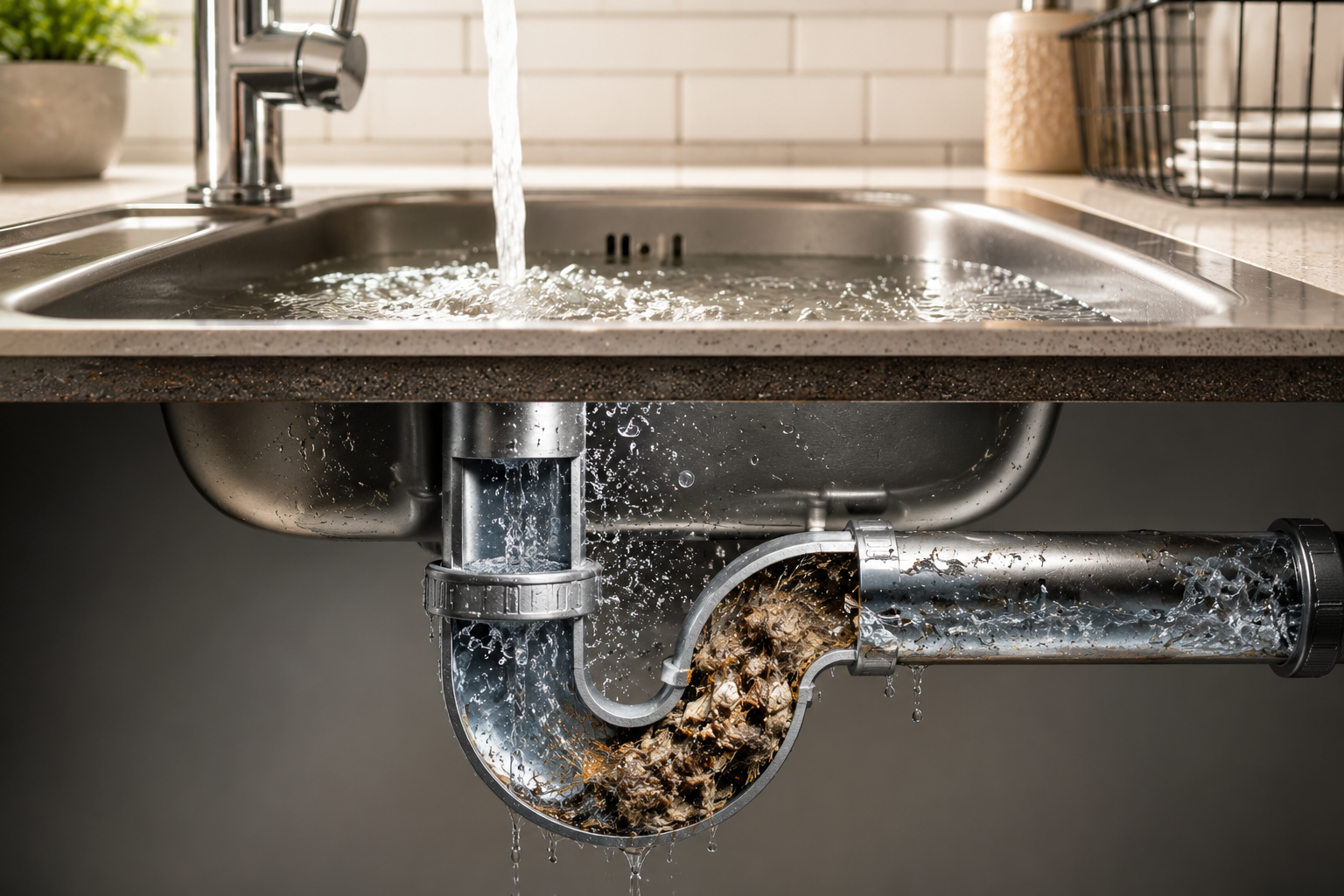
    A clogged sink drain is one of the most common plumbing problems homeowners face. Whether it happens in the kitchen, bathroom, or laundry room, a blocked drain can disrupt daily activities and lead to unpleasant odors, standing water, and potential pipe damage.

    While some minor clogs can be fixed with simple home remedies, persistent or severe drain blockages often require professional plumbing services. Understanding the causes of clogged sink drains and how to prevent them can help keep your plumbing system running smoothly.

    What Causes Clogged Sink Drains?

    Sink drains can become clogged over time due to the buildup of debris, grease, soap, and other materials inside the pipes.

    Common Causes of Kitchen Sink Clogs

    Grease and Oil Buildup

    Cooking grease, fats, and oils can harden inside pipes and trap food particles, creating stubborn blockages.

    Food Waste

    Coffee grounds, rice, pasta, eggshells, and fibrous foods can accumulate in kitchen drains and cause clogs.

    Soap Residue

    Soap scum can stick to pipe walls and gradually restrict water flow.

    Common Causes of Bathroom Sink Clogs

    Hair Accumulation

    Hair is one of the leading causes of bathroom drain clogs.

    Toothpaste and Soap Scum

    Toothpaste residue and soap buildup can narrow pipes over time.

    Small Objects

    Items like cotton swabs, dental floss, and jewelry may accidentally fall into drains and create blockages.

    Signs of a Clogged Sink Drain

    Recognizing early warning signs can help prevent larger plumbing problems.

    Common Signs Include:

    • Slow-draining water
    • Standing water in the sink
    • Gurgling noises from pipes
    • Unpleasant drain odors
    • Water backups
    • Frequent recurring clogs

    If left untreated, minor drain issues can worsen and affect the entire plumbing system.

    DIY Methods for Clearing Clogged Sink Drains

    Some minor clogs can be resolved using simple household methods.

    Use Hot Water

    Pouring hot water down the drain may help dissolve grease and soap buildup.

    Baking Soda and Vinegar

    A mixture of baking soda and vinegar can break down mild blockages naturally.

    Plunger

    A sink plunger can help loosen clogs caused by trapped debris.

    Drain Snake

    A drain snake or auger can remove hair and debris from deeper inside the pipe.

    When to Call a Professional Plumber

    DIY methods may not work for severe or recurring clogs. Professional plumbing services are recommended when:

    • Multiple drains are clogged
    • Water backs up frequently
    • Foul odors persist
    • DIY methods fail
    • The blockage is deep in the plumbing system

    Professional plumbers use advanced equipment like drain cameras and hydro jetting to identify and clear stubborn blockages safely.

    Professional Drain Cleaning Solutions

    Drain Snaking

    Plumbers use specialized drain snakes to break apart clogs inside pipes.

    Hydro Jetting

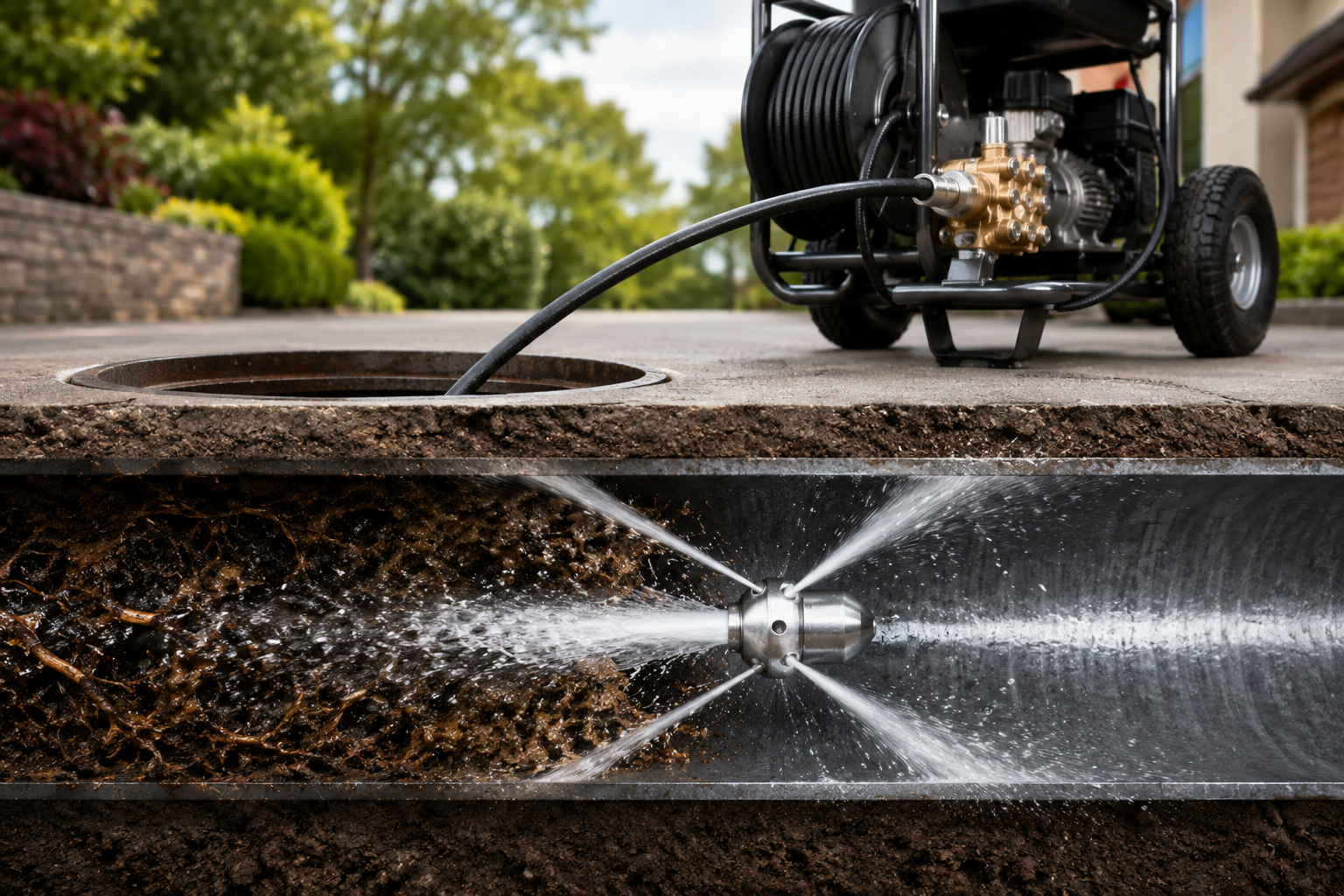
    Hydro jetting uses high-pressure water to thoroughly clean pipe walls and remove grease, sludge, and debris buildup.

    Video Camera Inspections

    Camera inspections help identify hidden plumbing problems, including pipe damage and root intrusion.

    How to Prevent Sink Drain Clogs

    Preventative maintenance is the best way to avoid drain problems.

    Kitchen Sink Prevention Tips

    • Avoid pouring grease down the drain
    • Use sink strainers
    • Dispose of food scraps properly
    • Flush drains regularly with hot water

    Bathroom Sink Prevention Tips

    • Use hair catchers
    • Avoid flushing non-dissolvable items
    • Clean drains regularly

    Routine maintenance can significantly reduce the risk of future clogs.

    Why Prompt Drain Repair Matters

    Ignoring clogged drains can lead to:

    • Pipe damage
    • Water leaks
    • Mold growth
    • Sewer backups
    • Expensive plumbing repairs

    Addressing drain problems early helps protect your home and plumbing system.

    Final Thoughts

    Clogged sink drains are a common but manageable plumbing issue. From grease buildup in kitchen sinks to hair clogs in bathroom drains, understanding the causes and warning signs can help homeowners take quick action before problems worsen.

    Regular maintenance, proper drain care, and professional plumbing services when needed can keep your drains flowing efficiently and help prevent costly repairs in the future.

    FAQs About Clogged Sink Drains

    1. What causes sink drains to clog?

    Sink drains commonly clog due to grease, food particles, soap scum, hair, toothpaste residue, and debris buildup inside the pipes.

    2. How can I unclog a sink drain naturally?

    You can try using hot water, baking soda and vinegar, or a plunger to remove minor clogs naturally before calling a plumber.

    3. When should I call a professional plumber for a clogged drain?

    If the clog keeps returning, multiple drains are blocked, or DIY methods do not work, it’s best to contact a professional plumber.

    4. Can clogged sink drains damage pipes?

    Yes, severe or untreated clogs can increase pressure inside pipes and may lead to leaks, corrosion, or pipe damage over time.

    5. How do plumbers clear clogged sink drains?

    Professional plumbers may use drain snakes, hydro jetting, or camera inspections to identify and remove stubborn blockages safely.

    6. Why does my sink drain smell bad?

    Foul odors are often caused by trapped food, grease, bacteria, or debris buildup inside the drain pipes.

    7. How can I prevent sink drain clogs?

    Using drain strainers, avoiding grease disposal, cleaning drains regularly, and flushing with hot water can help prevent clogs.

    8. Are chemical drain cleaners safe?

    Frequent use of chemical drain cleaners can damage pipes and may not fully solve the problem. Professional cleaning methods are often safer and more effective.

  • Hydro Jetting: The Powerful Solution for Clearing Stubborn Drain and Sewer Line Clogs

    Hydro Jetting: The Powerful Solution for Clearing Stubborn Drain and Sewer Line Clogs

    Clogged drains and blocked sewer lines are common plumbing problems that can lead to slow drainage, unpleasant odors, water backups, and costly damage if left untreated. While traditional drain cleaning methods may provide temporary relief, hydro jetting offers a powerful and long-lasting solution for removing stubborn blockages and buildup inside pipes.

    Hydro jetting is a professional plumbing technique that uses highly pressurized water to clean drains and sewer lines thoroughly. It is one of the most effective methods for restoring proper pipe flow and preventing future plumbing issues.

    What Is Hydro Jetting?

    Hydro jetting is a drain cleaning process that uses high-pressure water streams to remove grease, sludge, tree roots, mineral buildup, and debris from plumbing pipes.

    Specialized equipment sends water through hoses and nozzles at extremely high pressure, cleaning the interior walls of pipes and flushing out blockages completely.

    Unlike traditional snaking methods that simply break through clogs, hydro jetting fully cleans the pipe system for better long-term performance.

    How Hydro Jetting Works

    The hydro jetting process typically involves:

    1. Camera Inspection

    Plumbers often begin with a video camera inspection to identify the location and severity of the blockage.

    2. Inserting the Hydro Jetting Hose

    A specialized hose with a high-pressure nozzle is inserted into the drain or sewer line.

    3. High-Pressure Water Cleaning

    Water is blasted through the pipes at high pressure, cutting through grease, debris, roots, and buildup.

    4. Final Inspection

    After cleaning, plumbers may perform another inspection to ensure the pipes are clear and flowing properly.

    Benefits of Hydro Jetting

    Thorough Pipe Cleaning

    Hydro jetting removes years of accumulated debris and completely cleans pipe walls.

    Removes Tough Blockages

    It effectively clears:

    • Grease buildup
    • Soap residue
    • Food waste
    • Mineral deposits
    • Sludge
    • Tree roots

    Prevents Future Clogs

    Because hydro jetting fully cleans the pipes, it reduces the likelihood of recurring clogs.

    Environmentally Friendly

    Hydro jetting uses only water without harsh chemicals, making it a safer and eco-friendly solution.

    Improves Drain Performance

    Clean pipes allow water to flow more efficiently, improving drainage throughout the plumbing system.

    Signs You May Need Hydro Jetting

    You may benefit from hydro jetting if you experience:

    • Frequent drain clogs
    • Slow drains
    • Sewer backups
    • Gurgling noises in pipes
    • Foul drain odors
    • Multiple clogged drains at once

    Persistent plumbing issues often indicate buildup deep inside the sewer line that requires professional cleaning.

    Hydro Jetting vs Traditional Drain Cleaning

    Traditional Drain Snaking

    Drain snakes can break apart minor clogs but may leave residue behind on pipe walls.

    Hydro Jetting

    Hydro jetting completely cleans the interior of pipes, offering a more comprehensive and long-lasting solution.

    For severe blockages and recurring plumbing problems, hydro jetting is often the preferred option.

    Is Hydro Jetting Safe for Pipes?

    When performed by trained professionals, hydro jetting is generally safe for most modern plumbing systems. However, older or damaged pipes should be inspected first to ensure they can handle high-pressure cleaning.

    Professional plumbers evaluate the condition of the pipes before recommending hydro jetting services.

    Residential and Commercial Hydro Jetting

    Hydro jetting is commonly used for:

    • Residential homes
    • Restaurants
    • Commercial kitchens
    • Apartment buildings
    • Office buildings
    • Industrial plumbing systems

    Businesses that deal with grease and food waste often benefit greatly from regular hydro jetting maintenance.

    Preventing Future Drain Problems

    After hydro jetting, homeowners can help maintain clean drains by:

    • Avoiding grease disposal in sinks
    • Using drain strainers
    • Scheduling routine plumbing inspections
    • Flushing drains regularly
    • Avoiding non-flushable items in toilets

    Preventative maintenance helps extend the life of plumbing systems and reduce repair costs.

    Final Thoughts

    Hydro jetting is one of the most effective and reliable solutions for cleaning clogged drains and sewer lines. By using high-pressure water to remove stubborn buildup and debris, hydro jetting restores proper flow and helps prevent recurring plumbing issues.

    Whether you are dealing with slow drains, sewer backups, or persistent clogs, professional hydro jetting services can provide a deep and long-lasting clean for your plumbing system.

    FAQs About Hydro Jetting

    1. What is hydro jetting used for?

    Hydro jetting is used to clear clogged drains and sewer lines by using high-pressure water to remove grease, debris, sludge, tree roots, and buildup inside pipes.

    2. Is hydro jetting better than drain snaking?

    Yes, hydro jetting provides a more thorough cleaning because it fully clears pipe walls, while drain snaking usually only breaks through the blockage temporarily.

    3. Is hydro jetting safe for old pipes?

    Hydro jetting can be safe for many plumbing systems, but older or damaged pipes should be inspected by a professional plumber before the service is performed.

    4. How long does hydro jetting last?

    Hydro jetting can keep pipes clean for a long time, especially when combined with proper drain maintenance and regular plumbing inspections.

    5. Can hydro jetting remove tree roots?

    Yes, hydro jetting is highly effective at cutting through small tree roots and clearing sewer line blockages caused by root intrusion.

    6. How do I know if I need hydro jetting?

    Frequent clogs, slow drains, sewer backups, foul odors, and recurring plumbing issues are common signs that hydro jetting may be needed.

    7. Is hydro jetting environmentally friendly?

    Yes, hydro jetting uses only high-pressure water without harsh chemicals, making it an eco-friendly drain cleaning solution.

    8. How often should hydro jetting be done?

    The frequency depends on the condition of your plumbing system and usage, but many homes and businesses benefit from annual or routine hydro jetting maintenance.

  • How Remote Work Is Transforming Global Businesses

    How Remote Work Is Transforming Global Businesses

    The way businesses operate has changed dramatically over the past few years, with remote work becoming a permanent part of modern business culture. What was once considered a temporary solution has now evolved into a global workplace transformation. Companies of all sizes are embracing remote and hybrid work models to improve flexibility, reduce costs, and access global talent.

    Remote work is no longer limited to tech companies or freelancers. Industries across finance, marketing, education, customer service, healthcare, and consulting are adapting to this new way of working. As technology continues to evolve, remote work is reshaping how businesses manage teams, communicate with customers, and compete in international markets.

    The Rise of Remote Work

    The growth of digital communication tools and cloud-based platforms has made remote work more accessible than ever. Businesses now rely on technologies like video conferencing, project management software, and collaborative cloud systems to maintain productivity from anywhere in the world.

    Many companies discovered that employees could perform efficiently outside traditional office environments. As a result, businesses started investing in remote infrastructure and flexible work policies to support long-term remote operations.

    Access to Global Talent

    One of the biggest advantages of remote work is the ability to hire talent from anywhere in the world. Businesses are no longer restricted to recruiting employees within a specific city or country.

    This global talent access allows companies to:

    • Find highly skilled professionals
    • Build diverse teams
    • Reduce hiring limitations
    • Operate across multiple time zones
    • Improve innovation through varied perspectives

    Remote work has created more opportunities for both employers and employees by expanding the global job market.

    Reduced Operational Costs

    Remote work helps businesses significantly reduce overhead expenses associated with maintaining physical office spaces.

    Companies can save money on:

    • Office rent
    • Utilities
    • Office equipment
    • Daily operations
    • Business travel expenses

    These savings allow businesses to invest more in technology, employee benefits, marketing, and business growth strategies.

    Increased Employee Flexibility and Satisfaction

    Flexible work arrangements have become a major factor in employee satisfaction and retention. Remote work gives employees greater control over their schedules and work environments.

    Benefits for employees include:

    • Better work-life balance
    • Reduced commuting stress
    • Increased productivity
    • Greater job satisfaction
    • Improved mental well-being

    Businesses that support flexible working conditions often experience higher employee engagement and lower turnover rates.

    The Growth of Hybrid Work Models

    While fully remote work continues to grow, many businesses are adopting hybrid work models that combine office and remote work. Hybrid setups provide flexibility while still allowing in-person collaboration when needed.

    This model helps companies maintain team culture while giving employees the freedom to work remotely part of the time.

    Hybrid work trends include:

    • Flexible office schedules
    • Shared coworking spaces
    • Remote-first meetings
    • Hot-desking office layouts

    Hybrid work is becoming a long-term strategy for modern organizations.

    Technology Driving Remote Collaboration

    Technology is at the center of remote business transformation. Modern collaboration tools make communication seamless regardless of location.

    Popular remote work technologies include:

    • Video conferencing platforms
    • Team messaging apps
    • Cloud storage systems
    • Task management software
    • Virtual collaboration tools

    Artificial intelligence and automation are also helping businesses streamline workflows and improve remote productivity.

    Challenges of Remote Work

    Despite its many advantages, remote work also presents challenges that businesses must address.

    Common remote work challenges include:

    • Communication gaps
    • Employee isolation
    • Cybersecurity risks
    • Difficulty maintaining company culture
    • Managing productivity

    Successful businesses are investing in employee engagement strategies, virtual team-building activities, and secure digital systems to overcome these issues.

    Impact on Global Business Expansion

    Remote work has accelerated international business growth. Companies can now establish global teams without opening physical offices in multiple countries.

    This flexibility enables businesses to:

    • Enter new markets faster
    • Serve international customers efficiently
    • Operate around the clock
    • Build global partnerships

    Remote operations are helping businesses become more agile and competitive in the global economy.

    The Future of Remote Work

    Remote work is expected to remain a core part of the modern business landscape. As technology improves and employee expectations evolve, businesses will continue refining remote and hybrid work strategies.

    Future trends may include:

    • Virtual reality workspaces
    • AI-powered productivity tools
    • Four-day workweeks
    • Greater emphasis on digital wellness
    • Advanced remote collaboration systems

    Companies that adapt to these changes will be better positioned for long-term success.

    Conclusion

    Remote work is transforming global businesses by changing how companies hire, communicate, and operate. From accessing global talent to reducing operational costs, remote work offers significant advantages for modern organizations.

    Although challenges remain, businesses that invest in technology, flexibility, and employee well-being are successfully building productive remote work environments. As the future of work continues to evolve, remote work will remain a driving force behind innovation, business growth, and global collaboration.

    FAQs – How Remote Work Is Transforming Global Businesses

    1. What is remote work?

    Remote work is a flexible work arrangement where employees perform their job duties outside a traditional office environment, often from home or other locations using digital communication tools.

    2. How is remote work changing global businesses?

    Remote work is helping businesses reduce operational costs, access global talent, improve employee flexibility, and expand into international markets more efficiently.

    3. What are the main benefits of remote work for companies?

    The major benefits include lower office expenses, improved productivity, better employee retention, access to skilled professionals worldwide, and increased business flexibility.

    4. What industries benefit the most from remote work?

    Industries such as technology, marketing, finance, customer service, education, consulting, and digital media benefit greatly from remote work models.

    5. What are hybrid work models?

    Hybrid work models combine remote work and office-based work, allowing employees to split their time between working from home and working in a physical office.

    6. What technologies support remote work?

    Businesses use video conferencing software, cloud storage systems, project management tools, team messaging apps, and cybersecurity solutions to support remote operations.

    7. What challenges do businesses face with remote work?

    Common challenges include communication barriers, cybersecurity risks, maintaining company culture, managing remote teams, and employee isolation.

    8. How does remote work improve employee satisfaction?

    Remote work offers greater flexibility, reduces commuting stress, improves work-life balance, and allows employees to create more comfortable working environments.

    9. Can remote work help businesses grow internationally?

    Yes, remote work allows companies to hire global talent, serve customers across different time zones, and expand into new markets without opening physical offices.

    10. Is remote work the future of business?

    Many experts believe remote and hybrid work models will continue growing as businesses prioritize flexibility, digital transformation, and employee well-being.

  • Sustainable Home Design Trends for Modern Living

    Sustainable Home Design Trends for Modern Living

    Modern homeowners are increasingly embracing sustainable home design as a way to reduce environmental impact, lower energy costs, and create healthier living spaces. Sustainability is no longer just a trend — it has become an essential part of modern architecture and interior design. From energy-efficient materials to smart home technology, sustainable homes combine functionality, style, and environmental responsibility.

    In this blog, we explore the top sustainable home design trends shaping modern living today.

    1. Energy-Efficient Home Designs

    Energy efficiency remains one of the most important aspects of sustainable living. Modern homes are now designed to consume less electricity while maintaining comfort and convenience.

    Popular energy-efficient features include:

    • Solar panels for renewable energy
    • Double or triple-glazed windows
    • LED lighting systems
    • Smart thermostats
    • High-performance insulation

    These upgrades help homeowners reduce utility bills while lowering carbon emissions. Passive house designs are also gaining popularity, using natural ventilation and sunlight to maintain indoor temperatures efficiently.

    2. Eco-Friendly Building Materials

    Sustainable construction materials are transforming modern home design. Builders and homeowners are moving away from harmful materials and choosing environmentally friendly alternatives.

    Common eco-friendly materials include:

    • Reclaimed wood
    • Bamboo flooring
    • Recycled steel
    • Cork
    • Recycled concrete
    • Low-VOC paints

    These materials reduce waste, improve indoor air quality, and often last longer than traditional options. Bamboo, for example, is highly renewable and durable, making it a popular flooring choice for sustainable homes.

    3. Smart Home Technology for Sustainability

    Technology is playing a major role in sustainable modern living. Smart home systems help homeowners monitor and reduce energy usage effectively.

    Trending smart home features include:

    • Smart lighting automation
    • Water-saving smart faucets
    • Energy monitoring systems
    • Motion-sensor lighting
    • Automated blinds and curtains

    These systems improve convenience while minimizing energy waste. Smart appliances also optimize electricity and water consumption, helping create more eco-conscious households.

    4. Indoor-Outdoor Living Spaces

    Modern sustainable homes focus on creating harmony between indoor and outdoor spaces. Large windows, sliding glass doors, and open layouts increase natural light and ventilation.

    Outdoor sustainability trends include:

    • Native landscaping
    • Rainwater harvesting systems
    • Vertical gardens
    • Outdoor solar lighting
    • Green roofs

    Using native plants reduces water consumption and maintenance while supporting local ecosystems.

    5. Minimalist and Functional Interiors

    Minimalism aligns perfectly with sustainable living. Instead of excessive decoration and furniture, homeowners are prioritizing quality, functionality, and long-lasting pieces.

    Sustainable minimalist interiors often feature:

    • Multi-functional furniture
    • Neutral color palettes
    • Natural materials
    • Decluttered spaces
    • Timeless décor

    This design approach reduces unnecessary consumption while creating calm and organized living environments.

    6. Water Conservation Features

    Water-saving solutions are becoming a standard in modern sustainable homes. With increasing awareness about water scarcity, homeowners are adopting systems that reduce water waste.

    Popular water-efficient features include:

    • Low-flow toilets and showerheads
    • Greywater recycling systems
    • Rainwater collection tanks
    • Drought-resistant landscaping

    These additions help conserve water while lowering utility expenses.

    7. Sustainable Kitchen Designs

    The kitchen is one of the most used spaces in any home, making it a major focus for sustainability improvements.

    Modern eco-friendly kitchen trends include:

    • Energy-efficient appliances
    • Recycled countertops
    • Sustainable cabinetry
    • Composting systems
    • Induction cooktops

    Many homeowners are also choosing locally sourced materials to reduce transportation-related environmental impact.

    8. Biophilic Design Elements

    Biophilic design connects people with nature by incorporating natural elements into living spaces. This trend has become increasingly popular for improving mental well-being and indoor air quality.

    Common biophilic features include:

    • Indoor plants
    • Natural wood textures
    • Water features
    • Large skylights
    • Nature-inspired décor

    These elements create healthier, more relaxing living environments while supporting sustainable lifestyles.

    9. Tiny Homes and Compact Living

    Smaller homes are becoming increasingly popular as people seek more sustainable and affordable lifestyles. Tiny homes use fewer resources, require less energy, and encourage intentional living.

    Benefits of compact living include:

    • Lower energy consumption
    • Reduced maintenance costs
    • Less material waste
    • Smaller environmental footprint

    Modern compact homes are designed with creative storage solutions and multi-purpose spaces to maximize functionality.

    10. Sustainable Home Renovations

    Many homeowners are choosing to renovate existing homes instead of building new ones. Sustainable renovations help reduce construction waste and preserve existing structures.

    Popular green renovation ideas include:

    • Upgrading insulation
    • Installing solar panels
    • Replacing old windows
    • Using reclaimed materials
    • Improving natural lighting

    These renovations enhance home value while making properties more energy-efficient and environmentally responsible.

    Final Thoughts

    Sustainable home design trends are reshaping modern living by combining style, comfort, and environmental responsibility. Whether through energy-efficient technology, eco-friendly materials, or minimalist interiors, homeowners now have more opportunities than ever to create greener living spaces.

    As sustainability continues to influence architecture and interior design, investing in eco-conscious home improvements not only benefits the environment but also improves long-term savings and quality of life. Modern sustainable homes represent the future of smarter, healthier, and more responsible living.

    FAQs – Sustainable Home Design Trends for Modern Living

    1. What is sustainable home design?

    Sustainable home design focuses on creating environmentally friendly living spaces that reduce energy consumption, minimize waste, and use eco-friendly materials while improving comfort and efficiency.

    2. Why is sustainable home design important?

    Sustainable home design helps lower energy bills, reduce environmental impact, improve indoor air quality, and create healthier living environments for homeowners and families.

    3. What are the most popular sustainable home design trends?

    Some of the top sustainable home design trends include solar energy systems, smart home technology, eco-friendly building materials, water-saving fixtures, minimalist interiors, and biophilic design elements.

    4. How can I make my home more energy-efficient?

    You can improve energy efficiency by installing LED lighting, upgrading insulation, using energy-efficient appliances, adding smart thermostats, and installing solar panels.

    5. Are sustainable homes more expensive to build?

    While some sustainable features may have higher upfront costs, they often provide long-term savings through lower utility bills, reduced maintenance costs, and increased property value.

    6. What materials are commonly used in sustainable homes?

    Common sustainable materials include reclaimed wood, bamboo, recycled steel, cork, recycled concrete, and low-VOC paints that improve indoor air quality.

    7. What is biophilic design in modern homes?

    Biophilic design incorporates natural elements like plants, sunlight, natural wood, and water features into interiors to create healthier and more relaxing living spaces.

    8. How does smart home technology support sustainability?

    Smart home systems help reduce energy and water waste through automation, energy monitoring, smart lighting, motion sensors, and efficient temperature control.

    9. Can sustainable design increase home value?

    Yes, sustainable upgrades such as solar panels, energy-efficient systems, and eco-friendly renovations can increase property value and attract environmentally conscious buyers.

    10. What are the benefits of sustainable living spaces?

    Sustainable homes offer lower energy costs, better indoor air quality, reduced environmental impact, improved comfort, and long-term financial savings.

  • Outdoor Living Services: Enhance Your Home with a Custom Patio Roof

    Outdoor Living Services: Enhance Your Home with a Custom Patio Roof

    Outdoor living spaces have become one of the most desirable home improvements in Central Texas. With warm temperatures, beautiful sunsets, and year-round outdoor enjoyment, homeowners are investing in custom patios, outdoor kitchens, pergolas, and patio roof solutions to create comfortable and stylish backyard spaces.

    A professionally designed patio roof in Texas not only adds beauty to your outdoor area but also provides shade, weather protection, and increased property value. Whether you want to entertain guests, relax with family, or create a functional outdoor retreat, professional outdoor living services can transform your vision into reality.

    Why Outdoor Living Spaces Are Popular in Central Texas

    Central Texas homeowners love spending time outdoors, but the strong sun and unpredictable weather can make uncovered patios uncomfortable. That’s why covered patios and patio roofs have become essential additions for modern homes.

    Benefits of outdoor living spaces include:

    • Increased home value
    • Better outdoor comfort
    • Expanded entertainment space
    • Protection from sun and rain
    • Improved curb appeal
    • Enhanced functionality for year-round use

    Professional outdoor living contractors help homeowners design spaces that blend comfort, durability, and style.

    The Importance of a Patio Roof in Texas

    Texas weather can be intense, especially during the summer months. A patio roof provides much-needed shade and protection while allowing you to enjoy your outdoor space comfortably.

    Benefits of Installing a Patio Roof

    Protection from Heat and UV Rays

    A covered patio helps reduce direct sunlight exposure, making outdoor spaces cooler and safer during hot Texas summers.

    Weather Protection

    Patio roofs shield furniture, grills, and outdoor décor from rain, wind, and harsh weather conditions.

    Increased Energy Efficiency

    Shaded outdoor areas can help reduce indoor heat buildup, lowering cooling costs during warmer months.

    Better Outdoor Entertainment

    Covered patios create the perfect environment for family gatherings, outdoor dining, and relaxing evenings.

    Enhanced Property Value

    Professionally installed patio roofs add visual appeal and increase the resale value of your home.

    Popular Patio Roof Options in Texas

    Homeowners in Central Texas can choose from several patio roof styles depending on their budget and design preferences.

    Aluminum Patio Covers

    Aluminum patio roofs are durable, low-maintenance, and resistant to rust and weather damage.

    Wood Patio Covers

    Wood patio roofs provide a natural and elegant appearance that complements many home styles.

    Insulated Patio Roof Panels

    Insulated roofing systems help regulate temperature and provide additional comfort during extreme heat.

    Pergolas

    Pergolas offer partial shade while maintaining an open and stylish outdoor atmosphere.

    Modern Patio Roof Designs

    Contemporary patio roofs feature clean lines, modern materials, and custom lighting for a luxury outdoor living experience.

    Professional Outdoor Living Services Offered in Central Texas

    Experienced contractors provide complete outdoor living solutions tailored to your home and lifestyle.

    Custom Patios

    Beautiful patios create the foundation for functional outdoor spaces.

    Outdoor Kitchens

    Outdoor kitchens allow homeowners to cook and entertain comfortably outside.

    Fire Pits and Fireplaces

    Fire features add warmth, ambiance, and year-round usability to outdoor areas.

    Deck Installation

    Custom decks expand living space and improve backyard functionality.

    Landscaping Services

    Professional landscaping enhances the beauty and overall design of outdoor living areas.

    Patio Roof Installation

    Custom patio roofs are designed to match your home’s architecture while improving comfort and protection.

    How to Choose the Right Outdoor Living Contractor

    When selecting an outdoor living company in Central Texas, consider:

    • Experience and portfolio
    • Customer reviews
    • Licensing and insurance
    • Material quality
    • Custom design options
    • Warranty coverage

    Working with experienced professionals ensures high-quality craftsmanship and long-lasting results.

    Why Central Texas Homeowners Are Investing in Outdoor Living

    Outdoor living spaces have become an extension of the home. Homeowners want functional outdoor areas where they can relax, entertain, and enjoy the Texas lifestyle comfortably.

    A professionally installed patio roof in Texas creates a shaded, inviting environment while protecting your investment from the elements.

    Final Thoughts

    Professional outdoor living services in Central Texas can completely transform your backyard into a beautiful and functional retreat. From custom patios and outdoor kitchens to durable patio roof installations, investing in outdoor upgrades improves comfort, entertainment, and property value.

    If you are looking to create the perfect outdoor space, working with experienced patio roof and outdoor living specialists in Texas is the best way to achieve lasting results and year-round enjoyment.

  • Roof Repair: Protect Your Home with Professional Roofing Services

    Roof Repair: Protect Your Home with Professional Roofing Services

    Your roof is one of the most important parts of your home, protecting your family and property from harsh weather conditions throughout the year. In a city like Chicago, where roofs face heavy snow, strong winds, rainstorms, and extreme temperature changes, regular roof maintenance and timely repairs are essential.

    Whether you are dealing with leaks, storm damage, missing shingles, or aging roofing materials, professional roof repair services in Chicago can help extend the life of your roof and prevent costly structural damage.

    Why Roof Repair Is Important

    Ignoring small roofing problems can quickly lead to major repairs and expensive replacements. A damaged roof can allow water to enter your home, causing mold growth, insulation damage, and weakened structural integrity.

    Timely roof repairs help:

    • Prevent water leaks
    • Improve energy efficiency
    • Extend roof lifespan
    • Protect your home’s structure
    • Maintain property value
    • Reduce future repair costs

    Common Roof Problems in Chicago

    Chicago’s weather can be tough on residential and commercial roofs. Some of the most common roofing issues include:

    1. Roof Leaks

    Leaks are one of the most common roofing problems. They can occur due to damaged shingles, cracked flashing, clogged gutters, or storm damage.

    Signs of a roof leak include:

    • Water stains on ceilings
    • Mold or mildew growth
    • Damp attic insulation
    • Dripping water during rain

    2. Missing or Damaged Shingles

    Strong winds and severe storms can loosen or remove shingles, leaving your roof exposed to moisture and further damage.

    3. Storm Damage

    Chicago experiences heavy storms, hail, and snow accumulation that can weaken roofing materials and create hidden structural issues.

    4. Flashing Damage

    Flashing protects roof joints and areas around chimneys, vents, and skylights. Damaged flashing can allow water penetration and leaks.

    5. Gutter Problems

    Blocked or damaged gutters can cause water to pool on the roof, increasing the risk of leaks and water damage.

    Signs You Need Roof Repair

    Homeowners should watch for these warning signs:

    • Sagging roof sections
    • Curling or cracked shingles
    • Increased energy bills
    • Water stains indoors
    • Moss or algae growth
    • Granules collecting in gutters
    • Visible roof damage after storms

    If you notice any of these issues, scheduling a professional roof inspection is recommended.

    Benefits of Hiring Professional Roof Repair Services in Chicago

    Expert Inspection and Diagnosis

    Professional roofers can identify both visible and hidden roofing issues before they become serious problems.

    Quality Materials

    Experienced roofing contractors use durable materials designed to withstand Chicago’s changing weather conditions.

    Safety

    Roof repairs can be dangerous without proper equipment and training. Professionals ensure safe and efficient repairs.

    Cost Savings

    Addressing roofing issues early helps avoid expensive roof replacements and interior water damage.

    Warranty Protection

    Many professional roofing companies provide warranties for both labor and materials.

    Roof Repair vs Roof Replacement

    Not every damaged roof requires a full replacement. Minor problems like isolated leaks or missing shingles can often be repaired. However, older roofs with widespread damage may require replacement for long-term protection.

    A professional roofing contractor can help determine the most cost-effective solution for your property.

    How to Choose the Right Roofing Contractor in Chicago

    When hiring a roofing company, consider the following:

    • Check licenses and insurance
    • Read customer reviews
    • Ask about warranties
    • Request detailed estimates
    • Verify local experience
    • Choose contractors with strong reputations

    Working with a trusted Chicago roofing company ensures quality workmanship and reliable service.

    Preventative Roof Maintenance Tips

    Regular maintenance can help prevent costly repairs and extend your roof’s lifespan.

    Maintenance Tips:

    • Inspect your roof after storms
    • Clean gutters regularly
    • Remove debris from the roof
    • Trim overhanging branches
    • Schedule annual roof inspections

    Final Thoughts

    Roof repair is an essential part of maintaining your home, especially in Chicago’s challenging climate. From fixing leaks and replacing shingles to addressing storm damage, professional roofing services help protect your investment and keep your home safe year-round.

    If you notice signs of roof damage, don’t wait for the problem to get worse. Timely roof repairs can save you money, improve energy efficiency, and extend the life of your roof for years to come.

    FAQs About Roof Repair in Chicago

    1. How do I know if my roof needs repair?

    Common signs include roof leaks, missing shingles, water stains on ceilings, sagging areas, mold growth, and visible storm damage.

    2. How much does roof repair cost in Chicago?

    Roof repair costs vary depending on the extent of the damage, roofing materials, and labor required. Minor repairs may cost a few hundred dollars, while major repairs can be more expensive.

    3. Can Chicago weather damage my roof?

    Yes, Chicago’s harsh winters, heavy snowfall, strong winds, hail, and rainstorms can cause significant roof damage over time.

    4. How long does a roof repair take?

    Most minor roof repairs can be completed within a day, while larger repairs may take several days depending on weather and project complexity.

    5. Should I repair or replace my roof?

    If the damage is limited and the roof is relatively new, repairs may be sufficient. Older roofs with widespread damage may require replacement for better long-term protection.

    6. How often should I have my roof inspected?

    It is recommended to schedule a professional roof inspection at least once a year and after major storms.

    7. Can a leaking roof cause structural damage?

    Yes, untreated roof leaks can lead to mold growth, wood rot, damaged insulation, and weakened structural components.

    8. Why should I hire a professional roofing contractor?

    Professional roofing contractors have the experience, equipment, and safety training needed to complete repairs properly and safely.

  • Best Savings Options to Grow Your Money in 2026

    Best Savings Options to Grow Your Money in 2026

    Saving money is one of the most important financial habits you can build. Whether you are planning for emergencies, buying a home, funding education, or preparing for retirement, choosing the right savings option can help your money grow safely and steadily.

    Today, there are many savings and investment options available, each designed for different financial goals and risk levels. Understanding these options can help you make smarter decisions and secure your financial future.

    Why Saving Money Matters

    Savings provide financial security and peace of mind. They help you:

    • Handle unexpected expenses
    • Achieve short-term and long-term goals
    • Reduce financial stress
    • Build wealth over time
    • Prepare for retirement

    The earlier you start saving, the more you can benefit from compound growth.

    Top Savings Options to Consider

    1. Savings Account

    A savings account is one of the safest and simplest ways to save money. Banks and financial institutions offer savings accounts with easy access to funds and modest interest rates.

    Benefits:

    • High liquidity
    • Safe and secure
    • Easy online banking access
    • Suitable for emergency funds

    Best For:

    People looking for a low-risk and easily accessible savings option.

    2. Fixed Deposits (FDs)

    Fixed deposits are popular because they offer guaranteed returns over a fixed period. You deposit money for a specific duration and earn a fixed interest rate.

    Benefits:

    • Guaranteed returns
    • Higher interest than regular savings accounts
    • Low risk

    Best For:

    Conservative investors who want stable returns.

    3. Recurring Deposits (RDs)

    Recurring deposits allow you to invest a fixed amount every month. This option is ideal for disciplined savings habits.

    Benefits:

    • Encourages regular saving
    • Fixed returns
    • Low-risk investment

    Best For:

    Individuals with monthly income who want to save consistently.

    4. Public Provident Fund (PPF)

    PPF is a government-backed long-term savings scheme offering tax benefits and attractive interest rates.

    Benefits:

    • Tax-saving benefits
    • Safe investment
    • Long-term wealth creation
    • Compound interest advantage

    Best For:

    Long-term financial planning and retirement savings.

    5. Mutual Funds

    Mutual funds pool money from multiple investors and invest in stocks, bonds, or other assets. They offer the potential for higher returns compared to traditional savings options.

    Benefits:

    • Professional fund management
    • Potential for higher growth
    • Variety of investment choices

    Best For:

    Investors willing to take moderate risk for better returns.

    6. National Pension System (NPS)

    NPS is a retirement-focused investment scheme designed to help individuals build a retirement corpus.

    Benefits:

    • Tax advantages
    • Long-term wealth creation
    • Market-linked growth potential

    Best For:

    People planning for retirement.

    7. Gold Investments

    Gold remains a trusted savings and investment option. You can invest in physical gold, digital gold, or sovereign gold bonds.

    Benefits:

    • Hedge against inflation
    • Long-term value retention
    • Portfolio diversification

    Best For:

    Investors looking for asset diversification.

    8. Stock Market Investments

    Investing directly in stocks can provide high returns over the long term, although it involves higher risk.

    Benefits:

    • High growth potential
    • Dividend income opportunities
    • Long-term wealth creation

    Best For:

    Experienced investors with higher risk tolerance.

    How to Choose the Right Savings Option

    Before selecting a savings option, consider the following factors:

    Financial Goals

    Determine whether your goal is short-term or long-term.

    Risk Tolerance

    Understand how much risk you are comfortable taking.

    Liquidity Needs

    Choose options that allow easy access if you may need funds quickly.

    Returns

    Compare interest rates and growth potential.

    Tax Benefits

    Some savings schemes provide tax-saving advantages.

    Tips to Build Better Savings Habits

    • Set clear financial goals
    • Create a monthly budget
    • Automate your savings
    • Avoid unnecessary expenses
    • Review your savings plan regularly

    Final Thoughts

    There is no one-size-fits-all approach when it comes to saving money. The best savings option depends on your financial goals, income, and risk appetite. A balanced strategy that combines safe savings plans with growth-oriented investments can help you achieve financial stability and long-term wealth.

    Start small, stay consistent, and make saving a regular part of your financial routine. Over time, even small contributions can grow into significant wealth.

    FAQs About Savings Options

    1. What is the safest savings option?

    Savings accounts, fixed deposits, and government-backed schemes like PPF are considered some of the safest savings options because they carry low risk.

    2. Which savings option gives the highest returns?

    Stock market investments and mutual funds generally offer higher returns over the long term, but they also involve higher risk compared to traditional savings methods.

    3. How much money should I save every month?

    A common recommendation is to save at least 20% of your monthly income, but the amount may vary depending on your financial goals and expenses.

    4. Are fixed deposits better than savings accounts?

    Fixed deposits usually offer higher interest rates than regular savings accounts, but the money is locked in for a fixed period.

    5. What is the best savings option for beginners?

    Savings accounts, recurring deposits, and fixed deposits are ideal for beginners because they are simple, secure, and easy to manage.

    6. Can I invest in multiple savings options at the same time?

    Yes, diversifying your savings across different options can help balance risk and improve overall financial growth.

    7. Why is emergency savings important?

    Emergency savings help cover unexpected expenses such as medical bills, job loss, or urgent repairs without affecting your regular finances.

    8. What is the difference between saving and investing?

    Saving focuses on protecting money with low risk, while investing aims to grow money over time with potentially higher returns and higher risk.